ABSTRACT
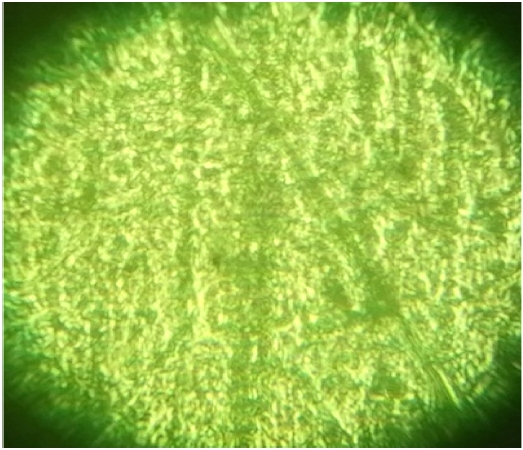
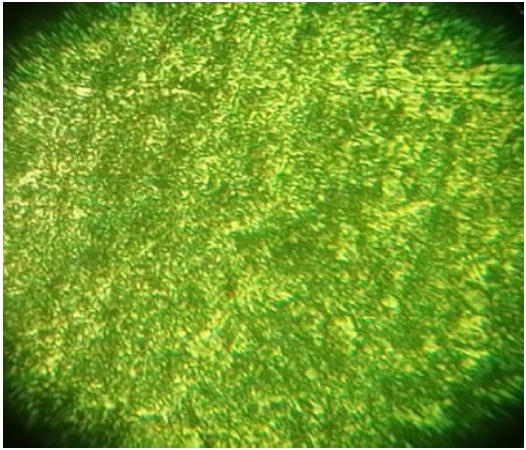
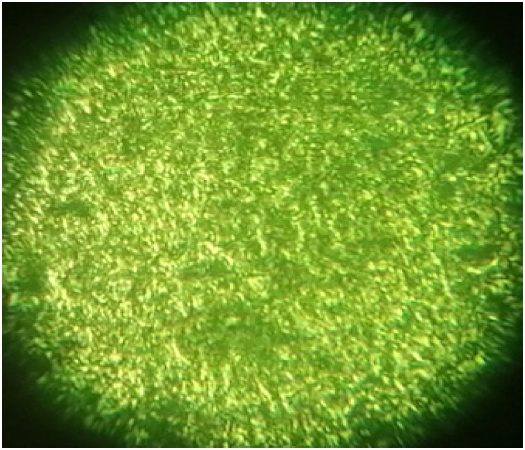
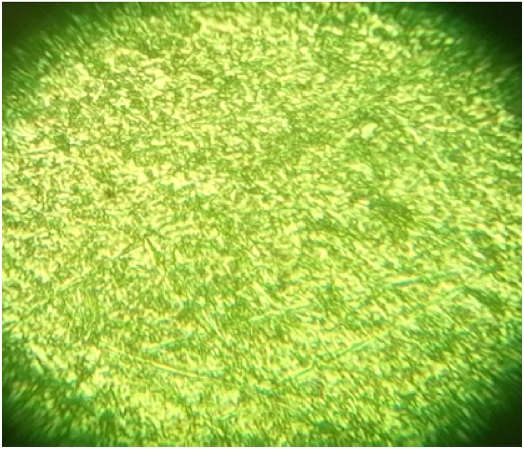
The present investigation studies the effects of heat treatment temperature on the corrosion behavior of cold worked 6111 aluminum alloy. The specimens were cold worked at different cold working ratios, namely, 10, 20, and 40%. They were then heat treated at 100, 200, and 400°C. Corrosion tests were performed using tap water with 0.01 M sodium hydroxide, as a corrosive medium, and the weight loss of the corroded specimens plus the corrosion rates were then calculated. Experimental results showed that corrosion rates depended on the amount of cold working percentage and the heat treatment temperature. Corroded surfaces were also photographed and analyzed. The graphs revealed large numbers of corrosion pits, in addition to crevice corrosion and fine grains of rust, and these rusts were cultivated to scales that were detached from the surfaces and were subjected to corrosive medium.
-
KEYWORDS: Heat-treatment temperature, Compression cold work ratio, Corrosion, Aluminum
-
KEYWORDS: 열처리 온도, 압축 냉간 가공 비율, 부식, 알루미늄
1. Introduction
The difficult issue of wide significant problems associated with a wide array of industrial installations can certainly be due to corrosion. Chilling water is extensively utilized inside an industry and in every manufacturing process, within nuclear and fossil, motivated steam plants and specialist steam generation dominate the particular power generation field.
1 The sort associated with protective silane films, methyltrimethoxysilane, vinyl trimethoxysilane, and dodecyltrimethoxsilane had been electro deposited on an aluminium alloy. The reflection retention Fourier change estimation demonstrated that silane film was effectively deposited through chemical bonding between the silane agent and the aluminium alloy. It was indicated that silane films prepared at cathode potentials showed a higher corrosion resistance.
2 The corrosion rate of aluminium, brass, and stainless steel 304 (SS 304) in tequila accounted for potentiodynamic polarization and electrochemical impedance spectroscopy measurements.
3 A simple kinetic model has been proposed to search the particular polarization information. It has been concluded that aluminium showed typically the highest corrosion tendency and therefore the corrosion rate estimations were Al > Cu > brass > SS 304. Corrosion conduct of the commercial aluminium alloy engine and the piston was examined within a 3.5% NaCl solution.
4 The results indicated that the researched alloy ensures the corrosion process that was restricted in the regions surrounding the Al (Si, Mg) and Al-Mg precipitates leading to pits formation of hemispherical shape. It had been also found that the corrosion rate associated with piston was less than that of engine block because of the presence of Ni and lower percent of Fe in the aluminium piston alloy. The particular result of temperature upon the corrosion behavior of Al-2Cu-2Mg alloy by immersion within the anodic solution (3% HCL) by volume at (30 to 80°C) was studied.
5 It had been demonstrated and indicated an increase in the rate of corrosion as corrosive environment temperature increased. The mechanical properties are significantly influenced by two factors. The proportion of alloying elements and the parameters of the aging process.
6 It was indicated that the thermo mechanical affected zone, neighboring welds chunk is mostly affected by corrosion within the joints of the welds. It was additionally found that the rise in the reactivity of the anode within the weld’s zones could be attributed to grain boundary high sensitivity promoting intergranular attack.
The particular heat-treatment effect within the corrosion involving Al alloy of high strength was studied.
7 Heat treated, over-aged and aged AA 7075 aluminium alloys were studied simply by a chamber of controlled humidity. The study concluded that the corrosion of the alloys was improved together with both over aging as well as the aging heat-treatment process. The particular corrosion mechanism begins as pitting and advances as intergranular corrosion. Typically, the corrosion approach of Al7075 composite was strengthened by Sic plus graphite’s as cast, then heat treated was examined within acidic chloride, acidic sulphate, acidic nitrate and a natural medium of chloride.
8 The investigation uncovered that corrosion associated with Al7075 composite was not as much in the samples that were heat treated as compared to cast samples. It was then additionally seen that corrosion rates were not as much in the medium of neutral chloride when compared with other acid mediums both in the as-cast and heat treated Al7075 metal composite. The microstructural modification’s effect promoted by post processing heat-treatment on the corrosion of AlSi alloys created by the laser powder fusion process was examined, and the behaviour of 10Mg AlSi alloy was examined by using intergranular corrosion testing consistent with the International Organization for Standardization 11846 standard on the specimens that were heat treated in the temperature range (200 to 500°C) in addition to untreated alloy specimens. It had been concluded that temps over 200°C were led to a decrease in the alloy micro hardness, and distinctive corrosion morphology happened due to the modification associated with both distribution and sizes of silicon precipitate. The penetrating attacks happened in liquefying pool border zones.
The particular phenomena of intergranular corrosion had been less intensive for as-received specimens that were not heat treated as compared to the specimens that were heat treated at both 200°C and even 300°C. Corrosion morphologies were generally seen concerning specimens that were heat treated with temperatures surpassing 400°C.
9 The heat-treatment and welding effects on the corrosion behavior of 7075T6 Al alloy have been researched in 3.5% NaCl solution. Corrosion tests indicated that the corrosion rates were fundamentally the same as for both the base metal and welding. For the base metal, the highest corrosion rate was shown in the solubilized condition, while for the welding, it had been for the T6 condition. All specimens were highly susceptible to localized sorts of corrosion where the second phase acted as cathodes and therefore the surrounding matrix acted about as active anodes.
9
The heat-treatment effects concern artificial aging of AA 6XXX on the corrosion behavior as well as mechanical properties that were explored. The alloy specimens were heat treated at 540°C with the 10°C/min heating rate. Solution, heat treating process was performed by keeping the specimens within the furnace at 540°C temperatures for 2 hours duration period. They were then cooled by cold water to a 10°C temperature, then artificially aged at 190°C temperature for periods 2 to 24 hours. They were finally chilled in the air. It was concluded that the alloy corrosion resistance relies upon the times of artificial aging. It was also concluded that the specimens which were aged at 190°C at 10 hours show a higher resistance to corrosion.
11 Many research studies have dealt with heat treatment such as.
12-15
The present research aims to study and analyze the effect of the heat-treatment temperatures on the corrosion behavior of compression cold worked 6111 aluminium by using tap water with (0.01 M NaOH) as a corrosive medium.
2. Experimental Work
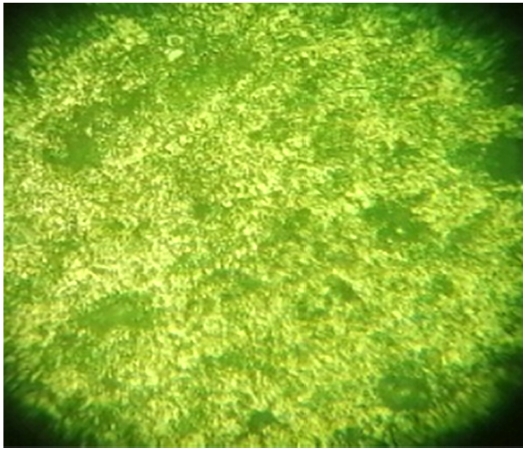
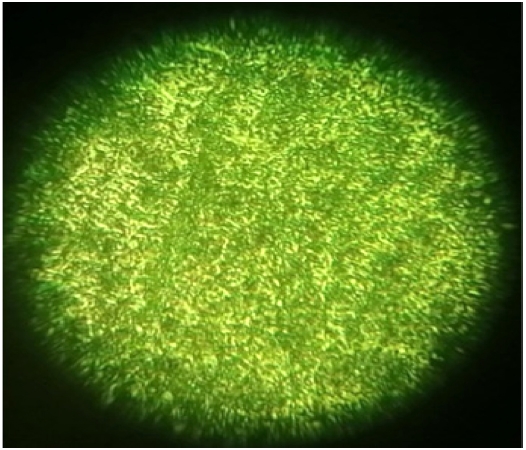
Cylindrical specimens of 10 mm, in diameter and 10 mm, length were cut and machined from 6111 aluminium material, their microstructure is shown in
Fig. 1, and their chemical composition is listed in
Table 1.
Fig. 1 As received specimen (Before cold work and before heat treatment), magnification: 600
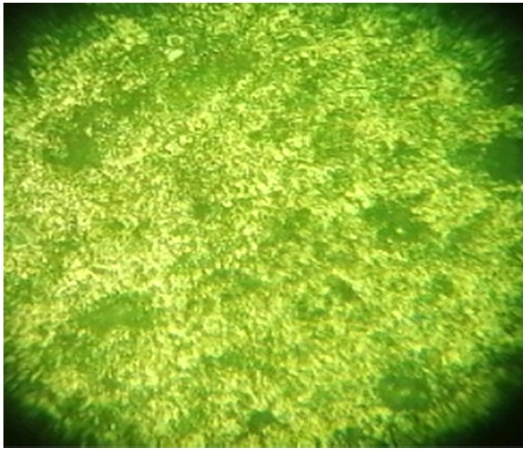
Table 1
Chemical composition of 6111 aluminium
[%]
Table 1
|
Al |
Si |
Cu |
Fe |
Zr |
Mn |
Al |
|
96.4 |
0.99 |
0.8 |
0.64 |
0.55 |
0.62 |
96.4 |
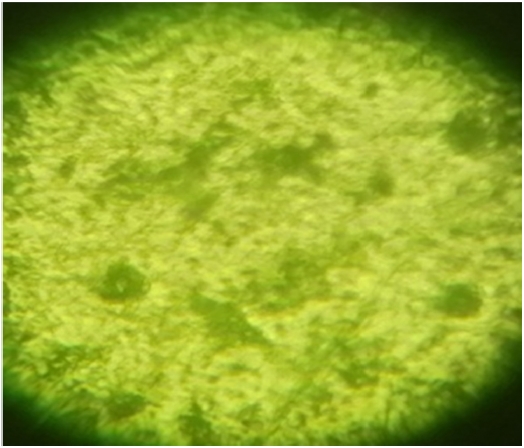
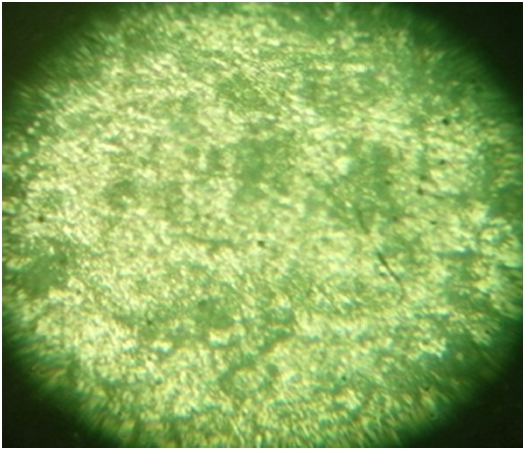
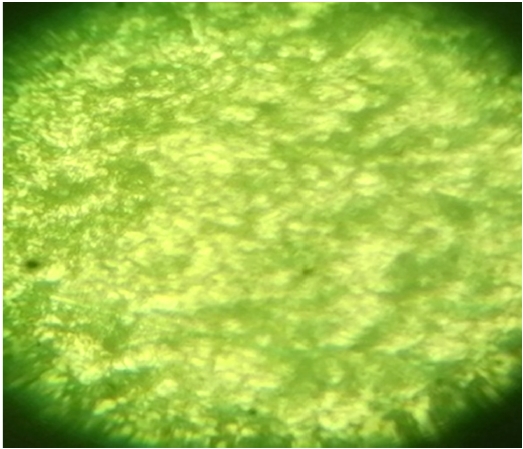
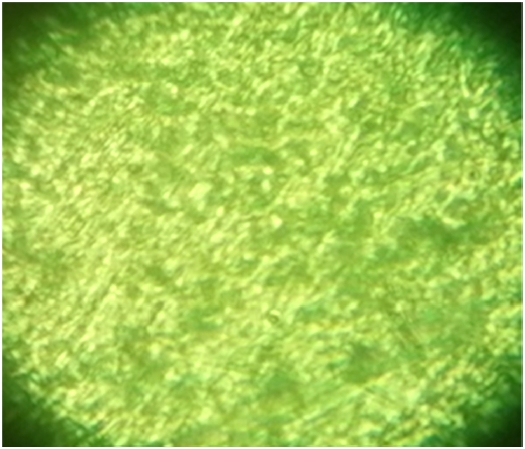
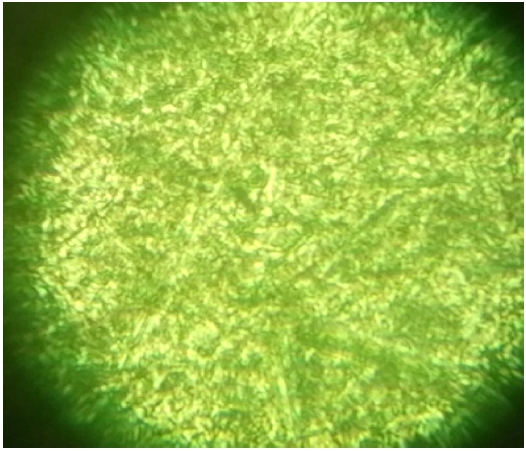
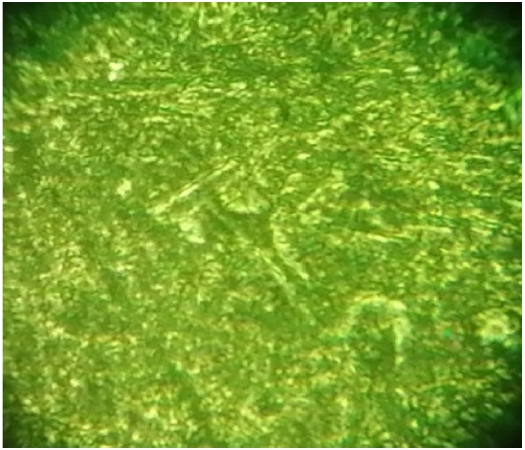
Uniaxial compression cold working process was performed on the specimens by compressing them to 10, 25, and 40% cold working ratios. From
Figs. 2 to
4 represent the microstructure of the specimens after 10% cold working and
Table 2 shows a list of their Vickers micro hardness.
Fig. 2 Microstructure of cold worked aluminium specimen by a ratio of 10%, magnification: 600
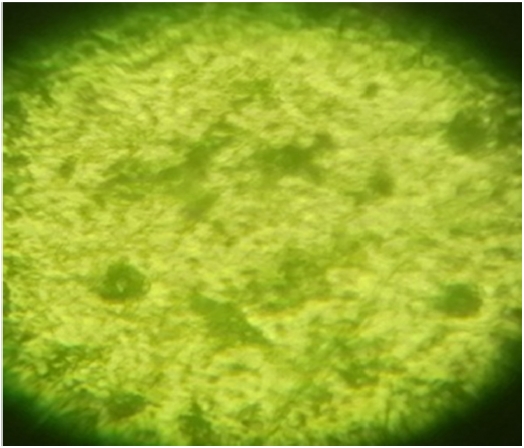
Fig. 3 Microstructure of cold worked aluminium specimen by a ratio of 25%, magnification: 600a
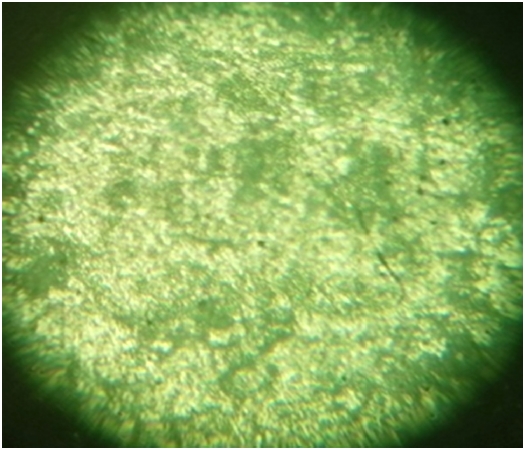
Fig. 4 Microstructure of cold worked aluminium specimen by a ratio of 40%, magnification: 600
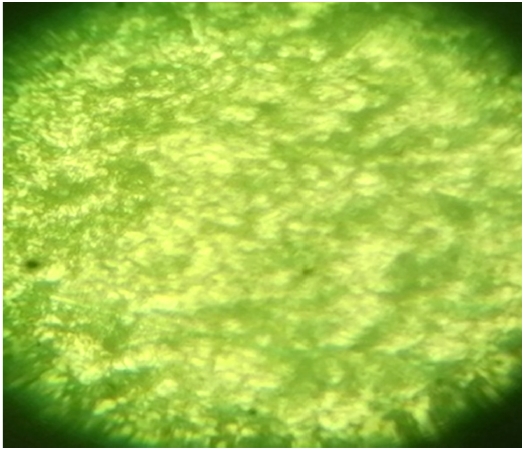
Table 2 Hardness of 6111 aluminium after different percentage of cold working ratio before corrosion
Table 2
|
Cold work ratio [%] |
Hardness [Hv] |
|
10 |
98.2 |
|
25 |
102 |
|
40 |
107 |
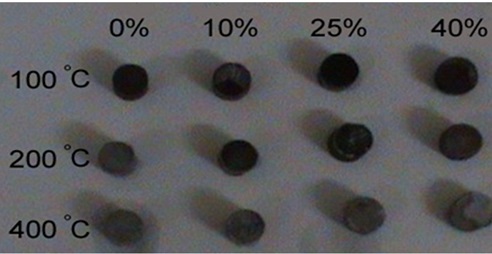
The compressed specimens were then divided into 3 groups, the first group was heat-treated at 100°C temperature, the second group was heat-treated at 200°C temperature and the third group was treated by heating them in the furnace at 400°C temperature.
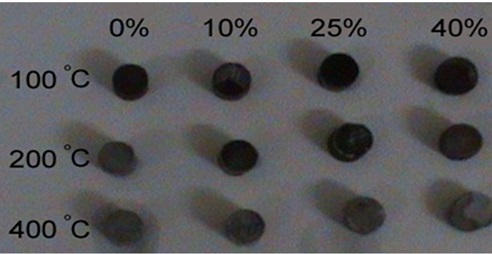
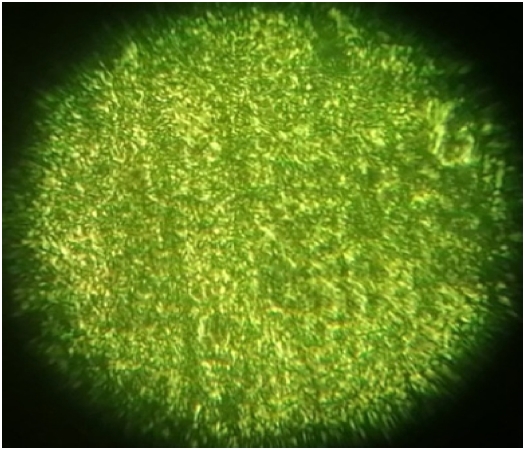
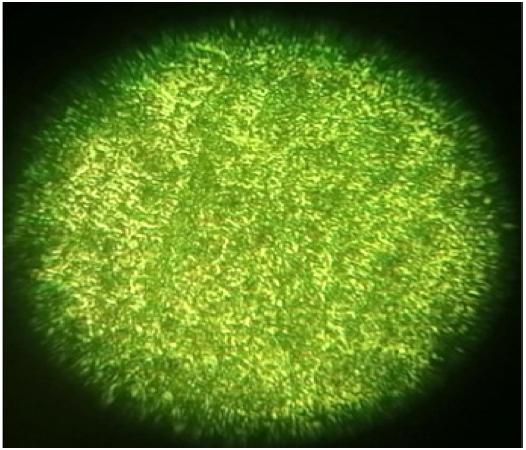
Fig. 5 represents a photograph showing compressed and non-compressed aluminium specimens after heat treatment. All the three group aluminium specimens were then mounted by a mounting material and the microstructure was then photting by using a stereo microscope.
Fig. 5 Photograph of as received and compression cold worked aluminium specimens by a ratio of 10, 25, and 40%, then heat treated at 100, 200, and 400°C temperatures
From
Figs. 6 to
14 show the microstructure of the aluminium specimens after cold work and heat-treatment process. Table 3 represents a list of their micro hardness after the heat-treatment process and before the corrosion process.
Fig. 6 Microstructure of a cold worked aluminium specimen by a ratio of 10% and heat treated at 100°C (Magnification: 600)
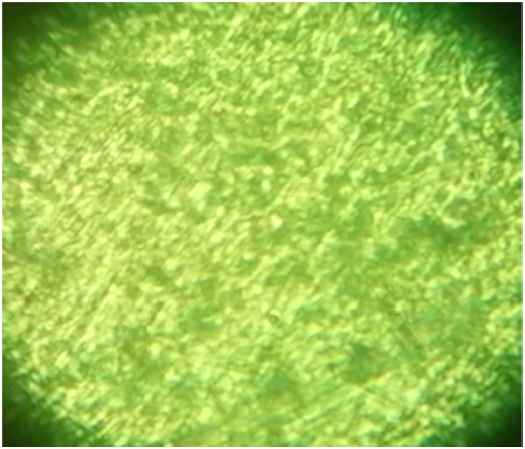
Fig. 7 Microstructure of a cold worked aluminium specimen by a ratio of 10% and heat treated at 200°C (Magnification: 600)
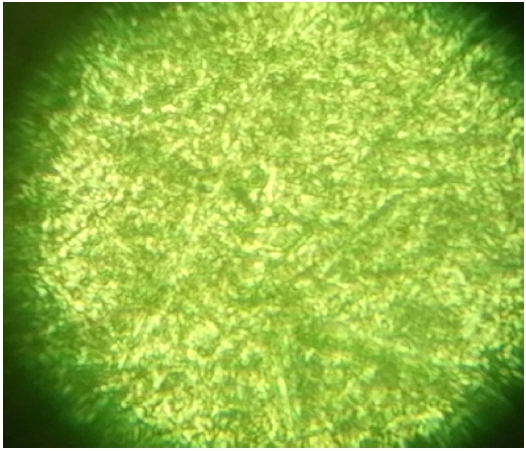
Fig. 8 Microstructure of a cold worked aluminium specimen by a ratio of 10% and heat treated at 400°C (Magnification: 600)
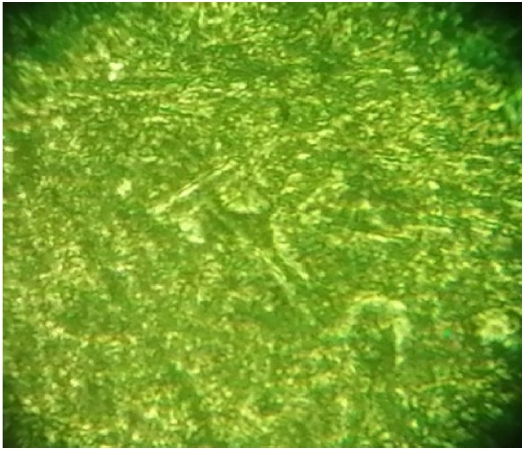
Fig. 9 Microstructure of a cold worked aluminium specimen by a ratio of 25% and heat treated at 100°C (Magnification: 600)
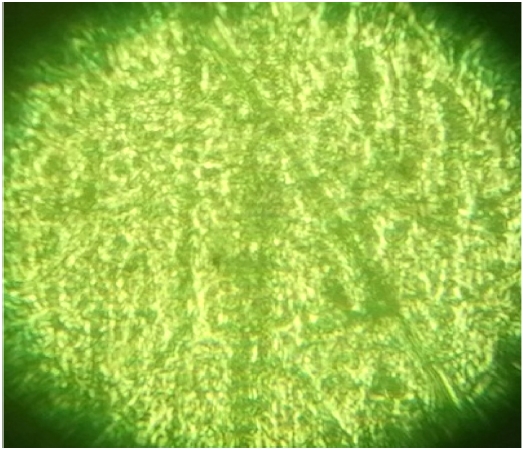
Fig. 10 Microstructure of cold worked aluminium specimen by a ratio of 25% and heat treated at 200°C (Magnification: 600)
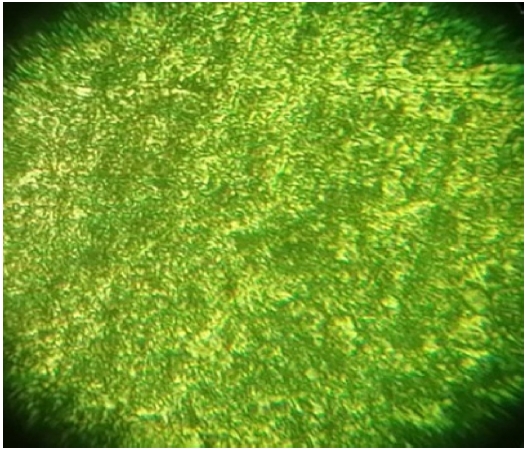
Fig. 11 Microstructure of a cold worked aluminium specimen by a ratio of 25% and heat treated at 400°C (Magnification: 600)
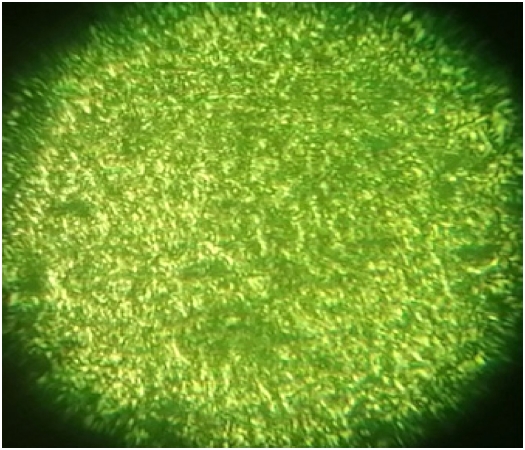
Fig. 12 Microstructure of a cold worked aluminium specimen by a ratio of 40% and heat treated at 100°C
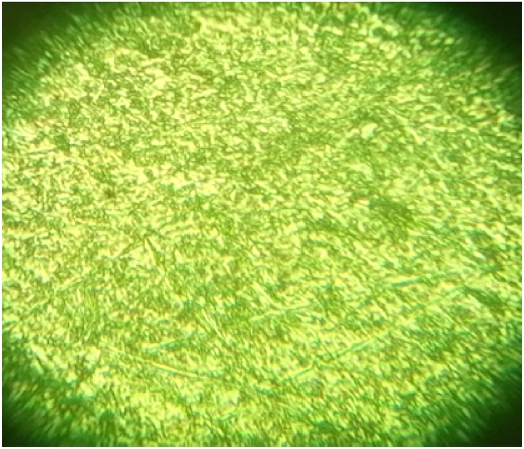
Fig. 13 Microstructure of a cold worked aluminium specimen by a ratio of 40% and heat treated at 200°C (Magnification: 600)
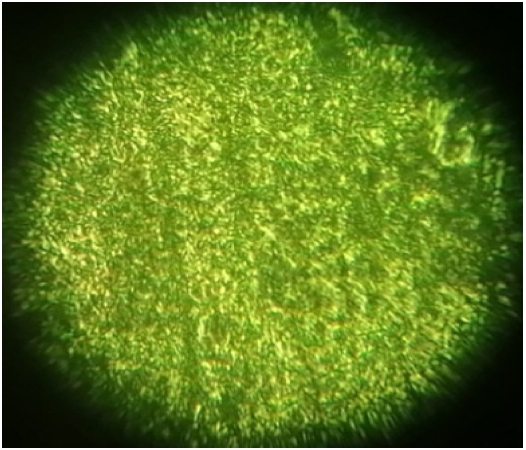
Fig. 14 Microstructure of a cold worked aluminium specimen by a ratio of 40% and heat treated at 400°C (Magnification: 600)
Before each test for corrosion, the heat-treated specimens had been cleaned thoroughly with pure distilled water, degreased, then cleaned by methanol for 10 minutes followed by acetone, and finally dried by a machine. Prior to each corrosion test, the tested specimens were weighed by an electronic digital sensitive balance with a sensitivity of (0.1 mg), the initial weights then recorded for each specimen.
All the heat-treated specimens of the three groups were then immersed in tap water with (0.01M NaOH) solution as a corrosive medium for a period of 21, 42, and 63 days. Towards the end of each test, specimens were expelled from the corrosive medium, cleaned by Clarke's solution (100 HCl, 2 pats Sb 203, 5 parts Sncl) [21] and then dried in a dryer. The corroded specimens were then weighed and their weight loss was recorded and corrosion rates were calculated from the following formula [12,13,14].
Where:W: Specimen weight loss [mg]ρ: Material density [g/cm2]A: Specimen surface area [inch2]t: Specimen exposure time to the corrosive medium [hours]
Table 4 represents the micro hardness of the corroded specimen surfaces after the corrosion process.
Table 4 Hardness of corroded 6111 aluminium specimens after 63 days’ corrosion period for a different percentage of compression cold work ratios and different heat-treatment temperatures
Table 4
Cold work ratio
[%] |
Heat-treatment temperature [°C] |
|
100 |
200 |
400 |
|
Hardness [Hv] |
|
10 |
80 |
62 |
55 |
|
25 |
84 |
64 |
57 |
|
40 |
88 |
67 |
59 |
Corrosion rate values for the three groups of heat-treated specimens after corrosion is listed in
Table 5.
Table 5 Corrosion rates of compression cold worked 6111 aluminium by a percent of 10, 25, and 40%, then heat treated at 100, 200 and 400°C temperature for different immersion times to corrosive medium
Table 5
Compres
sion cold
work
ratio[%] |
Corrosion rate* 105
after 21 days |
Corrosion rate*
105 after 42 days |
Corrosion rate*
105 after 63 days |
|
Heat-treatment temperature [°C] |
|
100 |
200 |
400 |
100 |
200 |
400 |
100 |
200 |
400 |
|
10 |
5.9 |
8.1 |
26.3 |
4.0 |
4.8 |
13.4 |
3.2 |
3.4 |
9.1 |
|
25 |
9.7 |
29.0 |
4.3 |
5.9 |
14.8 |
2.7 |
4.5 |
11.3 |
2.4 |
|
40 |
7.0 |
2.6 |
20.9 |
4.3 |
1.80 |
10.7 |
3.6 |
1.6 |
7.7 |
Corrosion rates versus each immersion time to corrosive medium. The percentage of the compression cold work ratios and heat-treatment temperatures were plotted. Corroded surfaces were then photographed and analyzed.
3. Results and Discussion
From
Figs. 15 to
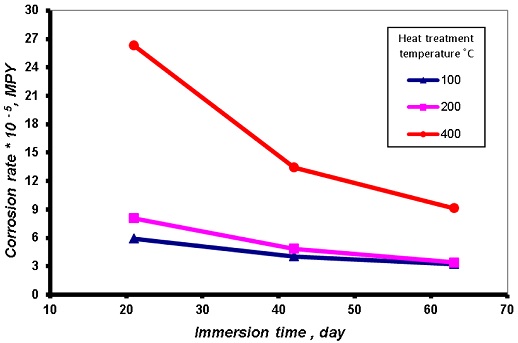
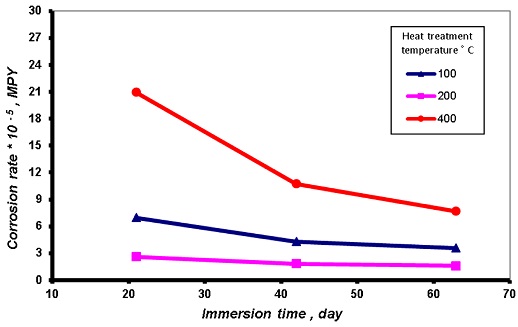
17 show the relation between corrosion rates versus immersion time to corrosive medium for the three heat-treatment temperatures (100, 200, and 400°C). From
Figs. 15 to
17 reveal that the corrosion rates were decreased with a rise within the immersion time of the specimens to the corrosive medium.
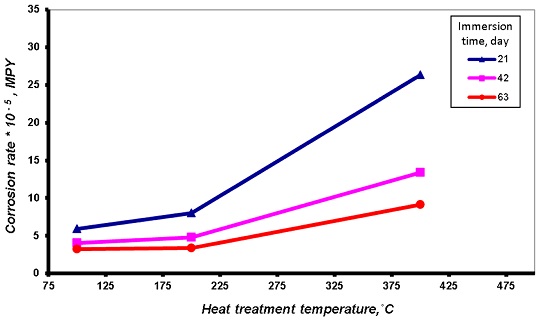
The results plotted in
Fig. 15 show that the rates of corrosion for aluminum specimens compressed by 10% cold work ratio are increased with a rise within the heat-treatment temperature. Lower amounts of corrosion rates are found for specimens that have been heat-treated at 100°C temperature, while a higher amount of corrosion rates are shown for specimens that were heat-treated at 400°C, and an intermediate amount of corrosion rates are shown for specimens that have been treated at 200°C. The decrease in the corrosion rate amounts appeared for specimens that were heat-treated at 100°C temperature and compressed by 10% cold work ratio are associated with the lower free energy that has been released during stress relief at 100°C heat-treatment temperature. While the highest amounts of corrosion rates found in aluminium specimens that have been treated at a temperature of 400°C are related due to the grain growth that appeared at that treatment temperature. The intermediate amount of corrosion rates found in aluminum specimens treated at 200°C temperature are often attributed to the recovery process that happens to the deformed and elongated grains after heat treatment, during which the free energy released is intermediate.
Fig. 15 Corrosion rate versus immersion time to corrosive medium cold work rate: 10%
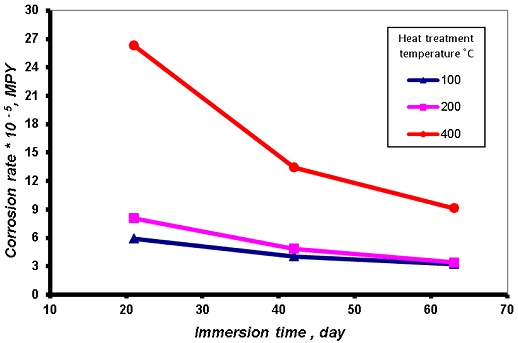
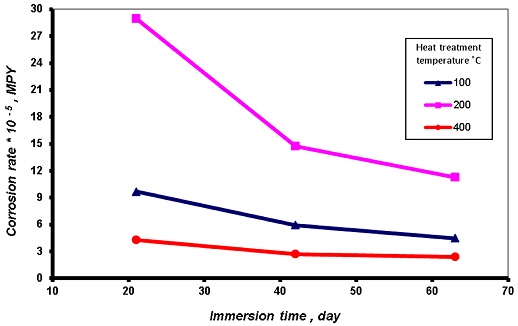
Fig. 16 shows corrosion rates versus immersion time for aluminum specimens that were immersed in tap water and 0.01 M NaOH corrosive medium and compressed by a 25% cold-worked ratio, then heat- treated at 100, 200 and 400°C temperature.
Fig. 16 shows that higher corrosion rates are found in aluminium specimens that have been heat-treated to a 200°C temperature and lower corrosion rate values are found for those specimens that have been heat treated to a 400°C temperature.
Fig. 16 Corrosion rate versus immersion time to corrosive medium cold work rate: 25%
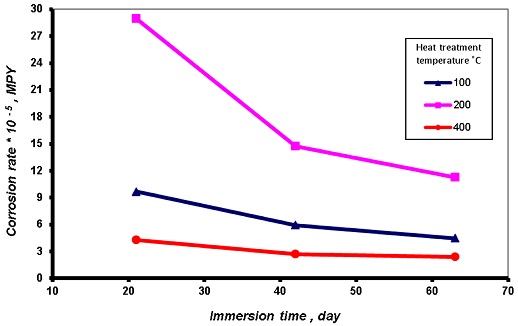
Decrease in corrosion rates with a rise in the temperature of heat-treatment to 400°C was due to increasing both cold work ratio by a 25% and heat-treatment temperature (400°C) during which the free energy released was less than those specimens that were heat-treated at 100 and 200°C temperature, while higher corrosion rates are shown for specimens that were treated at 200°C temperature due to higher free energy released.
The corrosion rates versus immersion time to corrosive medium for aluminum specimens were compressed by 40% cold work ratio compression and are plotted in
Fig. 17 for 100, 200, and 400°C heat-treatment temperatures. A higher corrosion rate is found in specimens that have been treated at 400°C temperature and lower corrosion rates are found with specimens that were treated at a temperature of 200°C, while intermediate amounts of corrosion rates are shown for specimens that have been treated at a temperature of 100°C.
Fig. 17 Corrosion rate versus immersion time to corrosive medium cold work rate: 40%
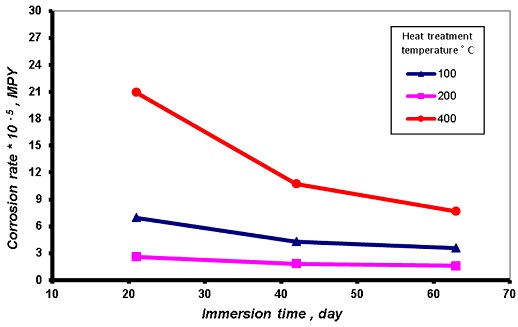
As specimen compression, cold work ratios were increased to 40% the free energies released were much lower for specimens treated at 200°C temperature, while the grain growth was much higher in aluminum specimens that were treated at a temperature of 400°C temperature, which led to a rise in corrosion rates.
From
Figs. 15 to
17, it can be often seen that corrosion rates of aluminum specimens have been decreased with a rise in their immersion period to tap water with (0.01 M NaOH) corrosive medium. Decrease in corrosion rates with an increase in the immersion time of the specimens to corrosive solution medium may be explained due to Al2O3 oxide layers that were formed on the aluminum specimen surfaces and acts as a protective layer which separates between aluminum surfaces and the corrosive medium and acts as a barrier to the interaction between the specimen surfaces and the corrosive medium.
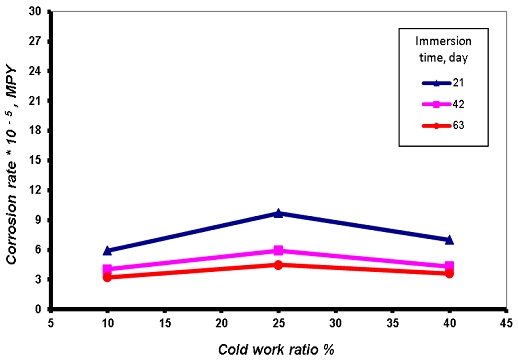
The effect of compression cold working percentage ratios on the corrosion rates for the 3 different heat-treatment temperatures (i. e 100, 200, and 400°C) are plotted in
Figs. 18 to
20. It is clear from
Fig. 18 that corrosion rates are slightly increased with a rise within the amount of compression cold working ratios up to 25%, then slightly decreased from 25 to 40% cold working ratios for the 3 immersion time (21, 42 and 63 days) to tap water and 0.01 M NaOH corrosive medium.
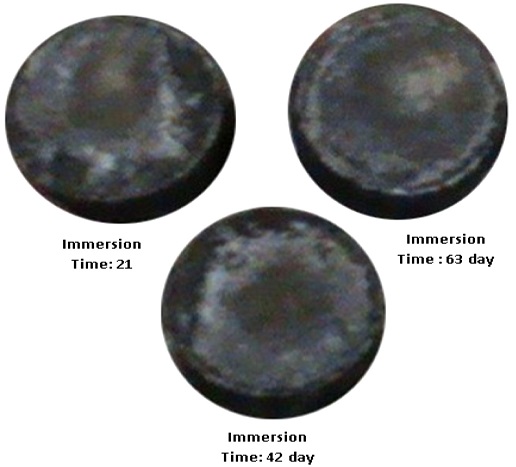
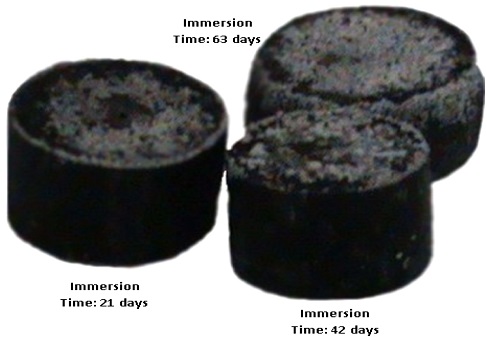
Fig. 18 also shows a little extent decrease within the corrosion rates of aluminium specimens with a rise within the exposure time to the corrosive medium, which is related to the scales and oxide film formation on the specimen surfaces as shown in
Fig. 21.
Fig. 18 Corrosion rate versus cold work ratio heat-treatment temperature: 100oC
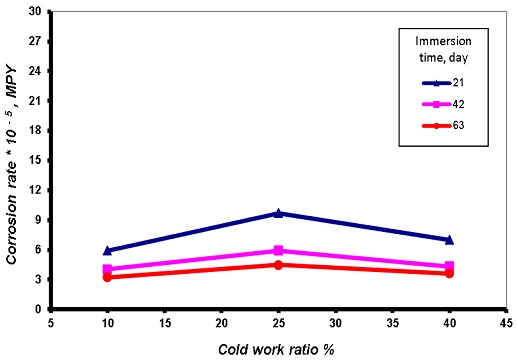
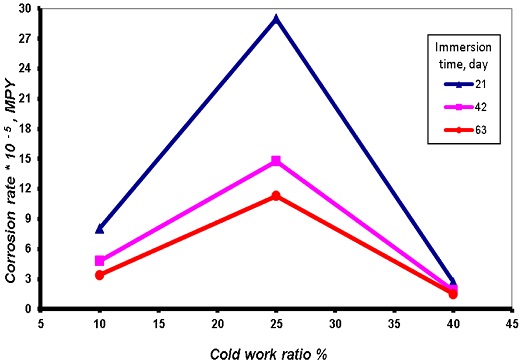
Fig. 19 Corrosion rate versus cold work ratio heat-treatment temperature: 200oC
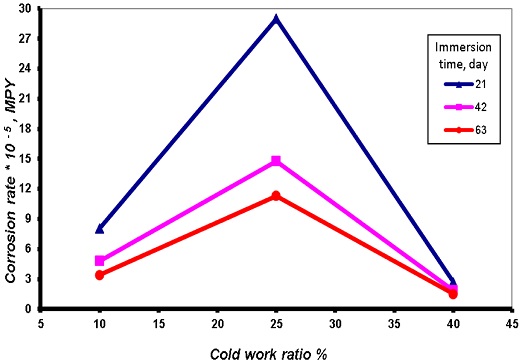
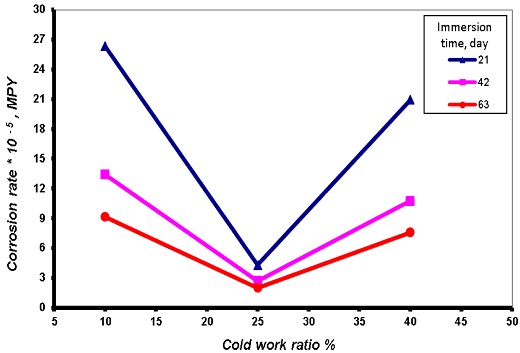
Fig. 20 Corrosion rate versus cold work ratio heat-treatment temperature: 400oC
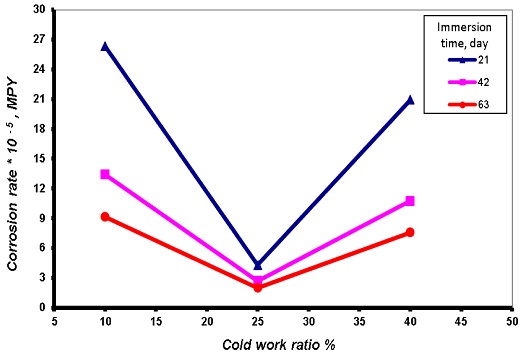
Fig. 21 Oxide layers on the corroded surfaces of the aluminium specimens compressed by 40% cold work ratio then corroded to a period of 21, 42 and 63 days (Heat-treatment temperature: 100°C)
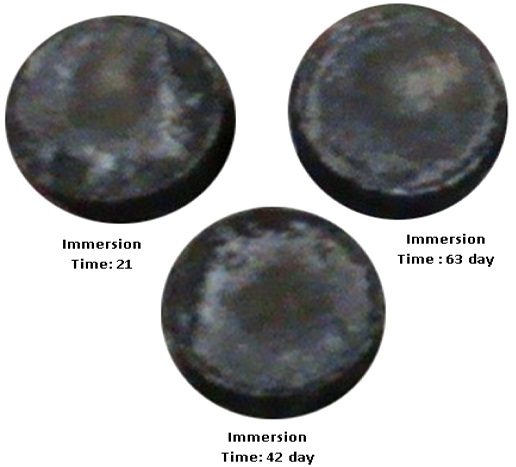
It is seen that a skinny oxide layer was formed gradually on the aluminium specimen surfaces during the corrosion process, which may be acting as a barrier between the aluminium surfaces and the corrosive medium to protect surfaces from subsequent corrosion on the specimen surfaces as a result corrosion rates were slightly decreased when immersion time to corrosive medium was increased from 42 days to 63-day duration periods.
The effect of compression cold working ratios on the corrosion rates for aluminium specimens that were treated at 200°C temperatures are plotted in
Fig. 19.
It is seen from
Fig. 19 that corrosion rates of aluminium specimens are sharply increased with a rise within the compression cold working ratios up to 25% and after that ratio, the rates of corrosion are decreased.
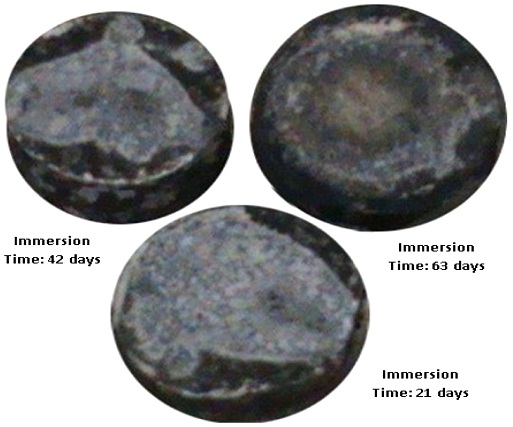
Fig. 19 also indicates higher corrosion rates, which are found in aluminium specimens that have been exposed to corrosive medium for 21 days, while the specimens that have been exposed to corrosive medium for 42 and 63 days showed a lessor extent in their corrosion rates, this is maybe due to the oxide layers that were formed on the specimen surfaces, which grows gradually with the immersion time to the corrosive medium and protect the substrate surface from corrosion as shown in
Fig. 23.
Fig. 22 Oxide layers on the corroded surface of the aluminium specimens compressed by 25% cold work ratio then corroded to a period of 21, 42 and 63 days. (Heat-treatment temperature: 200°C)
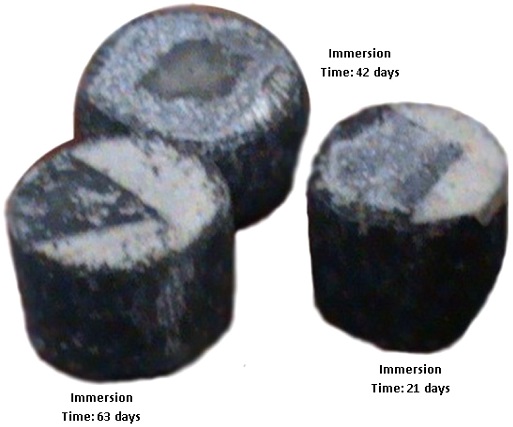
Fig. 23 Oxide layers on the corroded surfaces of the aluminium specimens compressed by 25% cold work ratio and heat treated at 400°C temperature then corroded to a period of 21, 42 and 63 days (Heat-treatment temperature: 400°C)
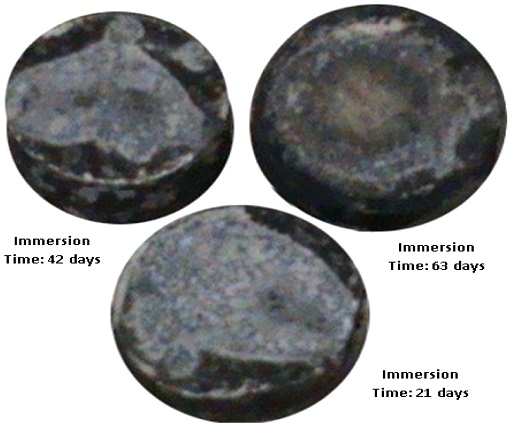
Fig. 23 clearly shows an extensive oxide layer formed on the surfaces of the aluminium specimens that have been subjected to a compression cold working ratio by 25%, then heat-treated at 200°C temperature and corroded for 21, 42 and 63 days.
Fig. 20 shows the relationship between corrosion rates as a function of compression cold working ratios for aluminium specimens that were heat-treated at 400°C temperature, then exposed to corrosive medium for a period of 21, 42 and 63 days. It is seen from the figure that corrosion rate decrease, with an increase in the compression cold working ratios up to 25%, after that ratio, corrosion rates are increased for the three different immersion periods (21, 42, and 63 days) of the aluminium specimens to corrosive medium.
Fig. 23 reveals skinny oxides formed on the aluminium specimen surfaces after corrosion that were subjected to a compression cold working ration by 25%.
The effect of heat-treatment temperatures on the corrosion rates of aluminium specimens is plotted in
Figs. 24 to
26.
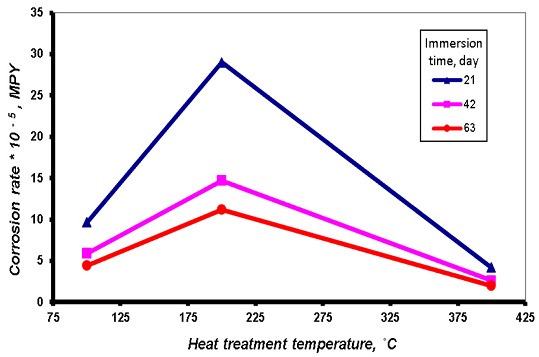
Fig. 24 shows that corrosion rates of aluminium specimens are increased with a rise within the heat-treatment temperature from 200 to 400°C for specimens that were compressed cold worked by a 10%, ratio and maximum corrosion rates, which are found in aluminium specimens that were treated at 400°C. The rates of corrosion versus heat-treatment temperature plotted in
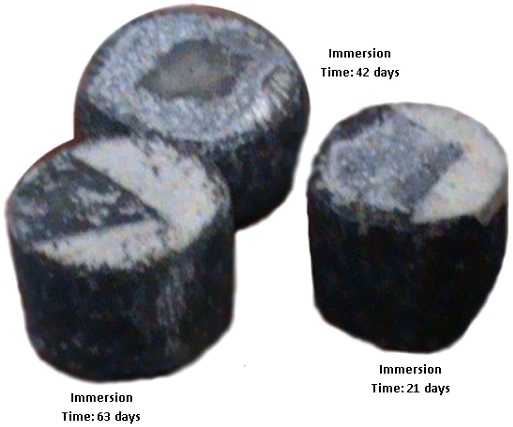
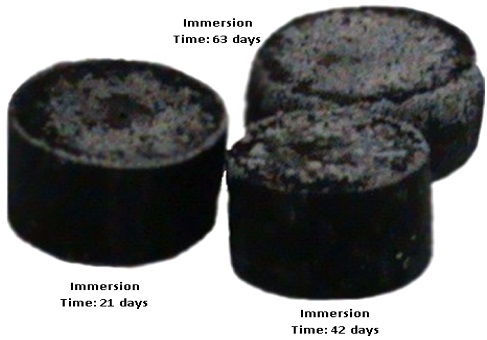
Fig. 25 clearly show a rise in corrosion rates with the increment in heat-treatment temperature up to 200°C and beyond this temperature corrosion rates were decreased. For specimens that were heat-treated at 200°C temperature, intensive and thick oxide layers were found on their corroded surfaces as shown in
Fig. 27.
Fig. 24 Corrosion rate versus heat-treatment temperature cold work ratio: 10%
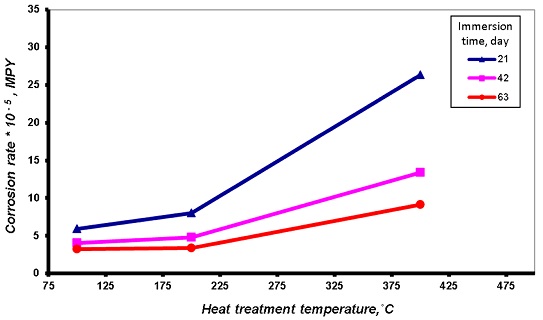
Fig. 25 Corrosion rate versus heat-treatment temperature cold work ratio: 25%
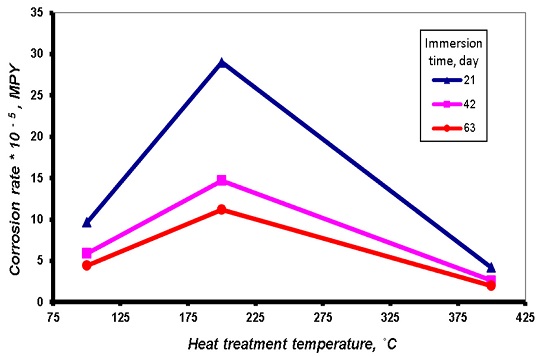
Fig. 26 Corrosion rate versus heat-treatment temperature cold work ratio : 40%
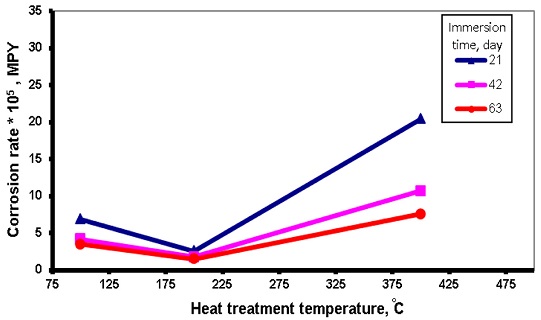
Fig. 27 Oxide layers on the surface of the aluminium specimens that were heat treated at 200°C and corroded for 21, 42 and 63 days (Cold work ratio: 25%)
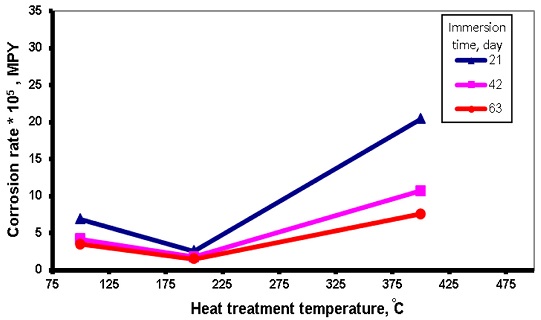
While the corrosion rates versus specimen heat-treatment temperatures plotted in
Fig. 26 reveals that corrosion rates of aluminium specimens were decreased up to 200°C heat-treatment temperature and beyond this value, the trends of the curves were increased.
The maximum corrosion rates noticed in specimens that were treated at 200°C temperature and cold worked by a ratio of 25% (
Fig. 25), while minimum values of corrosion rates are found in specimens that were heat-treated at 200°C and cold worked by 40% cold work ratio (
Fig. 26).
4. Conclusions
For all aluminium specimens that were subjected to a compression clod working ratios by 10 and 40% and then heat-treated at 100C, 200, and 400°C temperature, their corrosion rates were decreased with a rise within the immersion time to (Tap Water with 0.01 M NaOH) corrosive medium.
Thin films of oxide layers were formed on the corroded surfaces of aluminium specimens which led to retardation and a decrease within the corrosion rates with the increment in immersion time to the solution corrosive medium.
For aluminium specimens that were heat-treated at 100°C, a slight increase within the corrosion rate values was observed with an increase in the compression cold working ratio up to 25%, while a large extent of corrosion rates was observed with specimens that were heat-treated at 200°C temperature, beyond this ratio (i.e. 25%), corrosion rates were decreased in both cases.
The specimens that were corroded for 21, 42, and 63 days, thick oxide layers were formed on the specimen surfaces that were treated at 200°C temperature and subjected to 25% cold work ratios.
For the specimens that were heat-treated at 400°C temperature, corrosion rates were decreased with an increase in the compression cold work ratio up to 25%, beyond this ratio, corrosion rates were increased.
In specimens that were subjected to a compression cold work by a ratio of 25%, their corrosion rates were largely increased as the temperature of heat-treatment was increased up to 200°C, beyond this temperature, corrosion rates were decreased.
In specimens that were subjected to a compression cold work by a ratio of 40%, corrosion rates were decreased with the increment in the temperature of heat-treatment up to 200°C, beyond this temperature, corrosion rates were increased.
ACKNOWLEDGMENTS
The research was funded by the Engineering Science Research Program through Northern Technical University/Technical College/Mosul by the Ministry of Higher Education and Scientific Research/Republic of Iraq, 2020.
REFERENCES
- 1.
Haweel, C. K. and Lazar, J., “Corrosion of Boiler Tubes in South Baghdad Electric Station,” Iraqi Journal of Chemical and Petroleum Engineering, Vol. 11, No. 3, pp. 1-7, 2010.
- 2.
Hu, J. M., Liu, L., and Zhang, J. Q., “Electrodeposition of Silane Films on Aluminium Alloys for Corrosion Protection,” Vol. 58, No. 4, pp. 265-271, 2007.
10.1016/j.porgcoat.2006.11.008
- 3.
Carreon-Alvarez, A., Valderrama, R. C., Martínez, J. A., Estrada-Vargas, A., Gómez-Salazar, S., et al., “Corrosion of Aluminum, Copper, Brass and Stainless Steel 304 in Tequila,” International Journal of Electrochemical Science, Vol. 7, No. pp. 7877-7887, 2012.
- 4.
Kaiser, M. and Dutta, S., “Comparison of Corrosion Behaviour of Commercial Aluminium Engine Block and Piston in 3.5% NaCl Solution,” International Journal of Advances in Materials Science and Engineering, Vol. 1, No. 1, pp. 9-17, 2014.
10.4236/msce.2014.210008
- 5.
Al-Tai, Z. T. K., “The Effect of Temperature on the Corrosion Behavior of (Al-2Cu-2Mg) Alloy in the Acidic Solution,” Iraqi Journal of Mechanical And Material Engineering, Vol. 9, No. 3, pp. 361-367, 2009.
- 6.
Chauhan, K. P. S., “Influence of Heat Treatment on the Mechanical Properties of Aluminium Alloys (6xxx Series): A Literature Review,” International Journal of Engineering Research & Technology, Vol. 6, No. 3, 2017.
10.17577/IJERTV6IS030301
- 7.
Mavropoulos, A. and Skolianos, S., “Effect of Heat Treatments on the Corrosion Behavior of High Strength Aluminum Alloy,” International Journal of Advanced Engineering and Management Research, Vol. 3, No. 1, pp. 1-10, 2018.
- 8.
Sravanthi, M. and Manjunatha, K., “Corrosion Studies of as Casted and Heat Treated Aluminium-7075 Composites,” Materials Today: Proceedings, Vol. 5, No. 10, pp. 22581-22594, 2018.
10.1016/j.matpr.2018.06.632
- 9.
Cabrini, M., Calignano, F., Fino, P., Lorenzi, S., Lorusso, M., et al., “Corrosion Behavior of Heat-Treated AlSi10Mg Manufactured by Laser Powder Bed Fusion,” Materials, Vol. 11, No. 7, Paper No. 1051, 2018.
10.3390/ma11071051
- 10.
Arizmendi-Salgado, V., “Effect of Heat Treatment on the Corrosion Behavior of Welded 7075 T6 Aluminum Alloy without Filler Material,” International Journal of Electrochemical Science, Vol. 14, pp. 8243-8255, 2019.
10.20964/2019.08.102
- 11.
Onat, A., “Effects of Artificial Aging Heat Treatment on Mechanical Properties and Corrosion Behaviour of AA6XXX Aluminium Alloys,” Journal of Chemical Engineering and Materials Science, Vol. 9, No. 2, pp. 17-23, 2018.
10.5897/JCEMS2018.0315
- 12.
Rosenthal, I. and Stern, A., “Heat Treatment Investigation of the AlSi10Mg Alloy Produced by Selective Laser Melting (SLM): Microstructure and Hardness,” Annals of “Dunarea de Jos” University of Galati. Fascicle XII, Welding Equipment and Technology, Vol. 27, pp. 7-11, 2016.
- 13.
Tang, W. Y., Chuang, M. H., Chen, H. Y., and Yeh, J. W., “Microstructure and Mechanical Performance of Brand-New Al0.3CrFe1.5MnNi0.5 High-Entropy Alloys,” Advanced Engineering Materials, Vol. 11, No. 10, pp. 788-794, 2009.
10.1002/adem.200900135
- 14.
Voiculescu, I., Geanta, V., and Ionescu, M., “Effects of Heat Treatments on the Microstructure and Microhardness of Alxcrfenimn Alloys,” Annals of “Dunarea de Jos” University of Galati. Fascicle XII, Welding Equipment and Technology, Vol. 26, pp. 5-11, 2015.
- 15.
Rosenthal, I., Tiferet, E., Ganor, M., and Stern, A., “Post-Processing of AM-SLM AlSi10Mg Specimens: Mechanical Properties and Fracture Behaviour,” Annals of “Dunarea de Jos” University of Galati. Fascicle XII, Welding Equipment and Technology, Vol. 26, pp. 33-38, 2015.
Biography
- Jamal Nayief Sultan
Ph.D. candidate in the Department of Production Engineering, Iraq University of Technology-Baghdad-Iraq.
- Majid Khaleel Najem
Ph.D. candidate in the Department of Production Engineering, Iraq-University of Mosul-Mosul-Iraq.
- Emad Toma Karash
Ph.D. candidate in the Department of Strength of Materials and Mechanical Engineering-Ukraine-University of Sumy-Sumy Ukraine.